


How to Keep Your Garage and Basement Pest-Free This November
Introduction: November — The Real Beginning of Pest Season
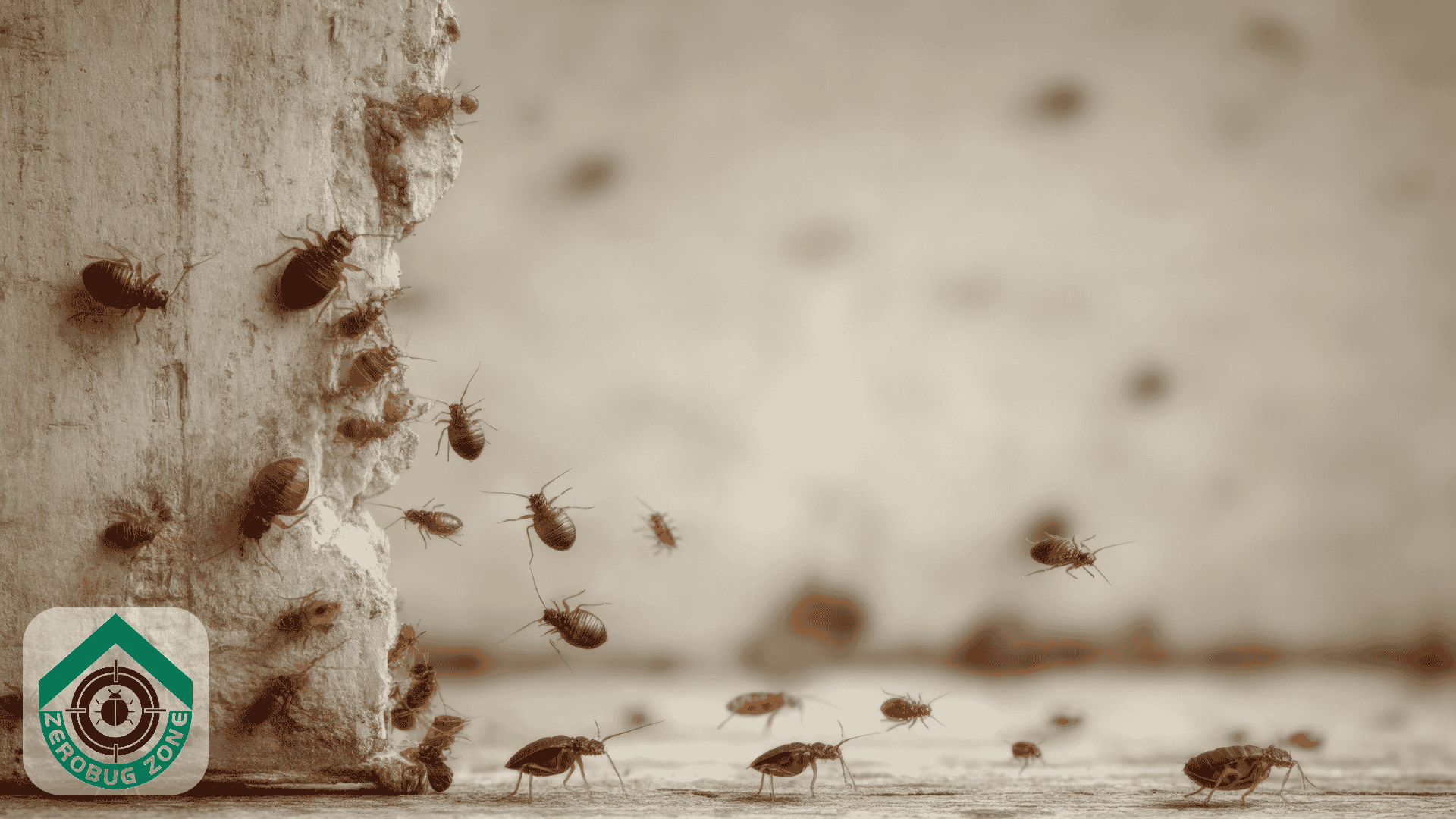
When November arrives in Toronto, it’s not just the temperature that drops — it’s also the time pests start looking for a new place to call home.
While most homeowners focus on heating bills and snow tires, rodents, spiders, and insects are focused on something else entirely: your garage and basement.
These spaces offer everything pests crave — warmth, moisture, shelter, and often, easy access to food or nesting materials. Once they’re in, they’re not leaving voluntarily.
This month’s guide from ZeroBugZone, Toronto’s trusted pest control experts, walks you through a step-by-step checklist to pest-proof your garage and basement before winter hits hard. Whether you live in Scarborough, Mississauga, Brampton, or Midtown Toronto, these are proven, practical actions you can take right now.

Why Garages and Basements Are Prime Real Estate for Pests
Let’s start with the basics — why do these spaces attract pests in the first place?
a. Warmth and Shelter
As temperatures drop, pests like mice, spiders, and silverfish move indoors seeking warmth. Basements and garages stay relatively stable in temperature, making them perfect winter shelters.
b. Moisture and Humidity
Even a small water leak or condensation around foundation walls can attract pests such as centipedes, cockroaches, and rodents looking for a water source.
c. Clutter and Darkness
Stacks of boxes, old clothes, and storage bins create endless hiding spots. The more cluttered your space, the harder it becomes to spot early signs of infestation.
d. Easy Access Points
Cracks, gaps under doors, or unsealed vents are open invitations. Rodents can squeeze through holes as small as a dime.
Bottom line: your basement and garage are comfortable, undisturbed environments that pests can easily exploit if you don’t take preventive action.
Step One: Inspect for Entry Points
Before you can keep pests out, you need to know how they get in.
Here’s a quick inspection checklist for your home’s exterior and interior:
Exterior Inspection
- Walk around your foundation and look for cracks or gaps. Seal them with weather-resistant caulk or expanding foam.
- Examine the garage door seal — the rubber bottom strip should make full contact with the ground.
- Check the door frame edges for wear or light leaks. If you can see daylight, pests can enter.
- Inspect around utility pipes, vents, and cable entries — seal any open gaps with steel wool or mesh.
- Ensure that windows and vents have intact screens with no tears or loose fittings.
Interior Inspection
- In the basement, check around the sill plates, floor drains, and window wells.
- Use a flashlight to find small holes or cracks behind stored items or appliances.
- Look for telltale signs like droppings, gnaw marks, shredded insulation, or nests.
If you find even one small gap, assume others exist — rodents are persistent and will exploit any weakness they find.
Step Two: Declutter and Organize
Pests thrive where humans neglect. The simplest and cheapest way to make your basement and garage less inviting is to reduce clutter.
Quick Wins
- Dispose of old newspapers, cardboard, or fabric — these make perfect nesting materials.
- Store remaining items in plastic bins with tight lids, not cardboard boxes.
- Keep storage shelves at least six inches off the ground and away from walls.
- Rotate stored items periodically. Movement discourages pests from settling in.
A clean, well-organized space makes it easier to spot early signs of trouble — and harder for pests to hide.
Step Three: Manage Moisture Levels
Moisture is a magnet for insects and rodents alike.
If your basement smells musty or your garage floor stays damp, pests will notice before you do.
Moisture Control Checklist
- Install a dehumidifier to maintain humidity below 50%.
- Ensure proper drainage around the foundation — downspouts should direct water at least 6 feet away.
- Check for leaky pipes, dripping faucets, or condensation near cold surfaces.
- In garages, use rubber mats or absorbent material under vehicles to catch meltwater and salt runoff.
- Improve airflow with a small fan or venting system — stagnant air increases humidity and encourages mold growth.
Dry environments discourage pests like cockroaches, centipedes, and silverfish that thrive on damp conditions.
Step Four: Seal and Reinforce Your Defenses
Once moisture and clutter are under control, it’s time to close the door — literally — on pests.
Garage Sealing Tips
- Replace worn weather stripping on the bottom and sides of garage doors.
- Install a door sweep under entry doors leading to the garage.
- Seal wall penetrations where electrical conduits or pipes enter.
- For added protection, line the base of your garage with metal flashing to block gnawing rodents.
Basement Sealing Tips
- Apply hydraulic cement or concrete filler to cracks in the foundation walls or floors.
- Use steel wool combined with silicone sealant to block holes around utility lines.
- Cover vents and weep holes with fine wire mesh that allows airflow but blocks pests.
- Install rodent guards on floor drains if not already in place.
This single weekend project can reduce your risk of a winter infestation by over 80%.
Step Five: Keep Food and Waste Under Control
Your garage or basement might not be a kitchen, but pests don’t know the difference. Even small crumbs, pet food, or garbage odors can attract them.
Food and Waste Management Best Practices
- Store birdseed, pet food, and grass seed in sealed metal or heavy-duty plastic containers.
- Avoid leaving recyclables or trash bags in the garage overnight.
- If you must keep bins indoors, use tightly sealed containers and clean them regularly.
- Vacuum or sweep the area monthly — even a few crumbs can sustain rodents for weeks.
Pests have powerful noses. What you barely notice, they detect from meters away.
Step Six: Eliminate Nesting Materials
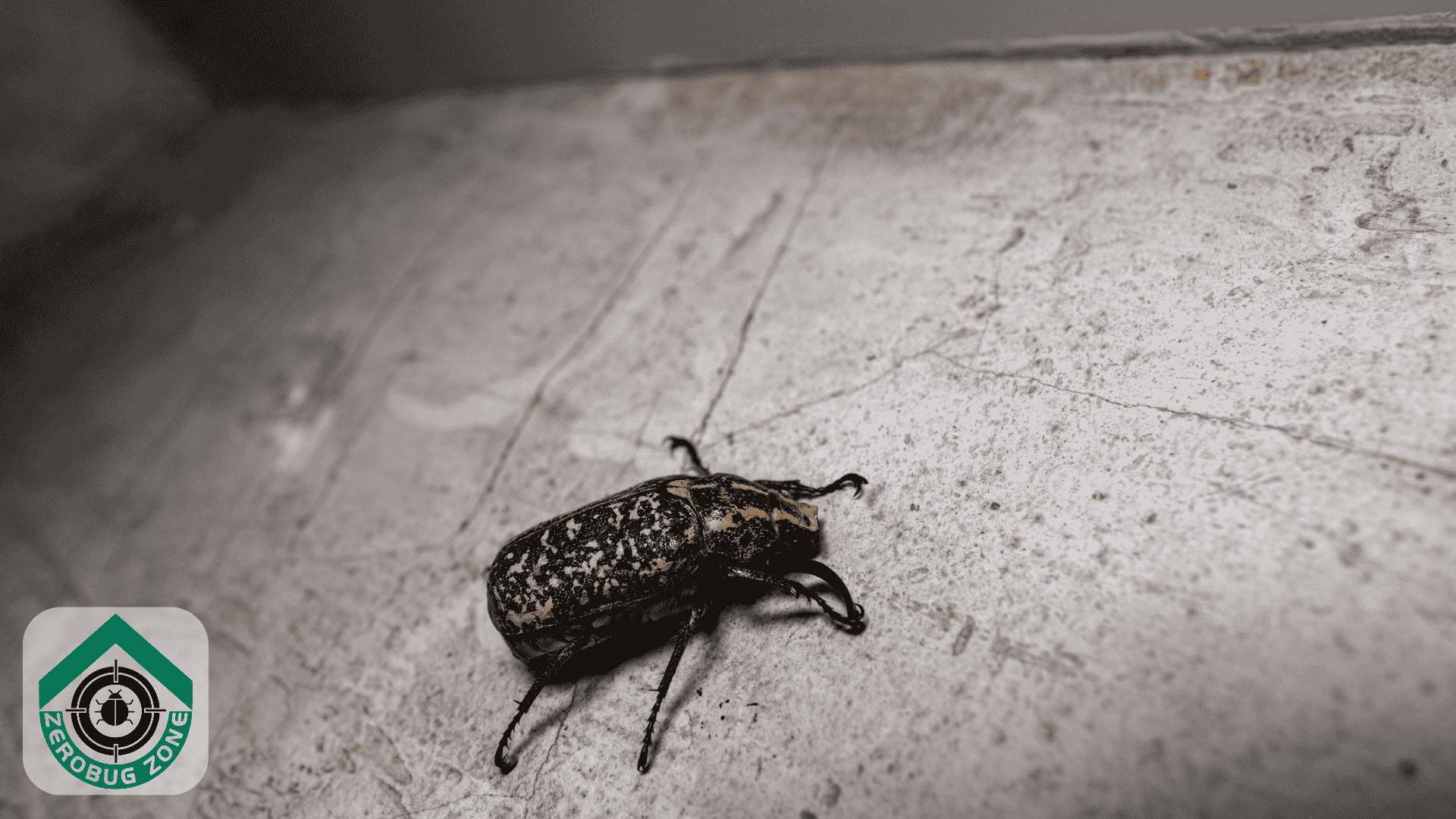
Rodents and insects are opportunists. If you leave them building supplies, they’ll use them.
Avoid storing:
- Old insulation, rugs, or cloth in open piles.
- Cardboard and paper directly on the floor.
- Garden materials like mulch or soil near entryways.
If your garage doubles as a workshop, keep rags and cleaning cloths in sealed containers. These are prime nesting materials for mice.
Step Seven: Inspect Seasonal Equipment
As you transition from summer to winter, you’ll likely move items like patio furniture, tools, and sports gear into storage. Each piece can carry unwanted passengers.
- Check for cobwebs, egg sacs, or droppings before storing items.
- Wipe or spray surfaces with a mild cleaning solution.
- Store gear in bins rather than directly on the floor.
- Shake out boots, gloves, or helmets before using them again — especially if they’ve been in storage all season.
Preventing pests is about consistency. Even one forgotten corner can become a winter colony.
Step Eight: Light and Air — Two Natural Pest Deterrents
Pests love darkness and stillness. You can fight back with the opposite.
- Install motion-sensor LED lights in basements and garages. Bright spaces make pests uncomfortable.
- Open vents or windows on dry days to air out musty spaces.
- Keep wall corners and floors free of dust and cobwebs — they attract insects that attract predators (like spiders).
Better lighting also helps you spot early pest activity before it becomes a full infestation.
Step Nine: Watch for Early Warning Signs
Prevention only works if you catch intrusions early.
Here’s what to look for during your monthly home check:
- Droppings near baseboards, shelves, or corners.
- Chew marks on cardboard, wires, or insulation.
- Grease trails or dark smudges along walls.
- Rustling sounds behind drywall or inside storage boxes.
- Unexplained odors — rodent nests can produce a sharp, ammonia-like scent.
If you notice any of these, it’s time to act — fast. Rodent populations can double in a matter of weeks.

Step Ten: Partner with a Certified Pest Control Expert
Even the cleanest, most vigilant homeowner can’t spot everything.
Professional pest technicians like those at ZeroBugZone use specialized tools, bait stations, and moisture detectors to identify hidden risks.
Here’s what a professional pest-proofing service includes:
- Full property inspection, including crawl spaces and attics
- Identification of vulnerable structural gaps
- Safe treatment for existing pest activity
- Long-term prevention strategies tailored to your home and neighborhood
Whether you need affordable pest extermination for homes in Brampton or pest prevention in Midtown Toronto, ZeroBugZone offers services built around Canadian climates and housing types — not one-size-fits-all solutions.
The Role of Integrated Pest Management (IPM)
At ZeroBugZone, we follow Integrated Pest Management (IPM) — a smart, eco-friendly approach that focuses on long-term prevention instead of overusing chemicals.
IPM combines:
- Inspection: Identifying pest entry points and risk zones
- Sanitation: Removing what attracts pests in the first place
- Exclusion: Sealing and reinforcing weak spots
- Monitoring: Tracking activity over time
- Targeted Treatment: Applying safe, minimal interventions only when necessary
This approach protects your home, your family, and the environment — while delivering lasting results.
Seasonal Pest Hotspots to Watch in November
As temperatures dip below 10°C, expect the following invaders to get active in Toronto-area homes:
Knowing what’s coming helps you focus your prevention efforts where they matter most.
The Long-Term Payoff of Pest Prevention
Preventive pest control isn’t just about comfort — it’s about protecting your investment.
Unchecked infestations can lead to:
- Structural damage from rodent chewing
- Electrical hazards from gnawed wiring
- Contaminated insulation or food supplies
- Costly extermination bills later on
Spending a weekend sealing and organizing your garage or basement now can save thousands in repairs later.
Think of pest prevention as insurance for your home’s health.

Conclusion: November Is the Month to Get Ahead
By the time snow falls, it’s too late — pests will already be inside.
That’s why November is your window to act.
With simple steps like sealing, drying, and decluttering, you can turn your garage and basement from a pest paradise into a fortress.
And if you’re unsure where to start, ZeroBugZone’s certified pest professionals are here to help — from one-time inspections to full winter pest-proofing plans.
Protect Your Home Before Winter Hits
Don’t let pests spend the winter rent-free in your home.
Book your November pest-proofing service with ZeroBugZone today.
- Comprehensive inspection of your garage, basement, and foundation
- Safe, family-friendly treatments
- Long-term prevention plans designed for Canadian winters
Contact ZeroBugZone now +1 (437) 870-0091 for a free quote and take the first step toward a pest-free home this winter.


