


The Truth About Cockroaches in Condos: Why High-Rises Are Not Safe

Walk into any modern condo tower in Toronto—sleek lobby, polished elevators, stainless steel mailboxes—and you might assume these buildings are nearly immune to pest problems. After all, high-rises are marketed as clean, secure, well-maintained spaces designed for urban living. But spend enough time in the pest control industry, and you learn a hard truth very quickly: condos are not safe from cockroaches—far from it.
In fact, multi-unit buildings such as high-rise condos, apartments, and mixed-use towers are some of the most vulnerable environments for cockroach infestations.
Cockroaches in condos behave differently from cockroaches in houses. They don’t just invade a single unit. They move through walls, plumbing lines, garbage chutes, hallways, mechanical rooms, electrical risers, storage lockers, and every hidden infrastructure space the building provides. This is why so many residents in Toronto search urgently for terms like cockroach control Toronto, pest extermination near me, or affordable pest extermination for homes in Midtown Toronto after spotting even one roach. Because they know what that usually means: if you see one, the building may already have hundreds.
Understanding why high-rises are not cockroach-proof is the first step toward solving the problem. The second step—equally important—is knowing why professional intervention is the only reliable method for eliminating them.
Why Cockroaches Thrive in Condo Buildings
Many homeowners assume condos are protected simply because they are new or because maintenance is included in condo fees. But cockroaches don’t care about property value or architectural design. They care about access—access to heat, moisture, food, and tight hiding spaces. And high-rise condos offer all of these in abundance.
Urban cockroach behaviour is shaped by infrastructure, not cleanliness. A spotless unit on the 28th floor can still suffer an infestation because the problem originated three units over, or seven floors below, or from the garbage chute used by 300 residents. Cockroaches do not understand unit boundaries. The more connected the building, the more easily they spread.
Multi-unit condo towers in Toronto are built with vertical and horizontal mechanical lines that act as highways for pests. Plumbing stacks connect dozens of units. Electrical chases run across floors. Heating systems create warm pathways behind drywall. Ventilation systems circulate air—and sometimes pests—between units. Cockroaches exploit every gap in drywall, every crack around a pipe, every opening behind an appliance. They follow warmth and moisture the same way rodents follow food scent trails.
This means the question isn’t whether a condo can get cockroaches. It’s when—and from where.
Why One Dirty Unit Can Affect an Entire Building
One of the most misunderstood aspects of condo living is how quickly pests move from one unit to another. A single neglected or cluttered unit can cause significant issues for all the surrounding floors. It may not even be intentional—some residents are away for long periods, some do not clean regularly, and others unknowingly bring in pests from secondhand furniture or grocery deliveries. But once cockroaches gain a foothold, they expand rapidly.
Condo boards and property managers often try to schedule one-time treatments for the affected unit, expecting the issue to resolve itself. But unless the root source is identified and the surrounding units are treated simultaneously, the roaches simply scatter into adjacent walls and return weeks later. This cycle frustrates residents, wastes money, and delays solving the problem. Professional cockroach exterminators understand that condo infestations require coordinated treatments across multiple units and infrastructure pathways—not isolated visits.
Why Seeing Cockroaches in a High-Rise Is a Serious Red Flag
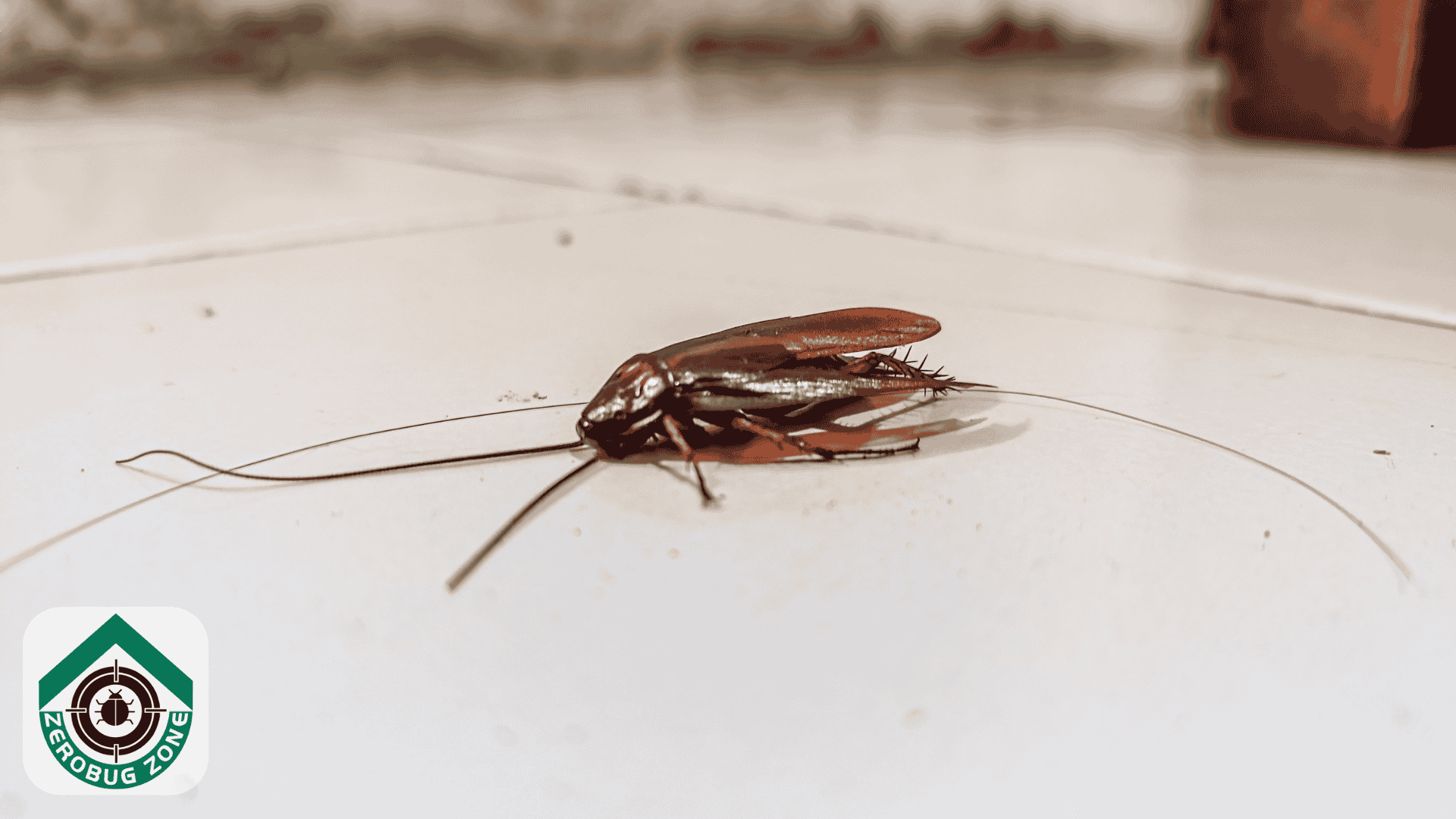
A single roach sighting in a detached home may not mean much. It may indicate a recent entry or isolated problem. But in a high-rise condo, even one sighting is significant. It usually means there is an existing infestation nearby—either above, below, or next door—and the cockroach simply followed a pathway into your unit.
Condos create stable microclimates: warm year-round, high humidity in kitchens and bathrooms, and abundant access to water through plumbing leaks, condensation, and dishwashers. Cockroaches flourish in these controlled conditions, especially German cockroaches, the most common species found in Toronto condominiums. They reproduce extremely fast and remain hidden for months before anyone notices.
If a resident sees cockroach activity around:
- the sink
- the dishwasher
- the fridge motor
- the bathroom vanity
- the electrical outlet
- the stove
…it often means the population is already established behind the walls. This is why early detection is critical and why DIY sprays are often not only ineffective but counterproductive.
The Role of Plumbing Lines and Garbage Chutes in Spreading Infestations
Cockroaches are survivors. They use the building more efficiently than many residents do. Plumbing and waste systems become their migration routes in ways most people never think about.
Condos have:
- shared garbage chutes used by dozens or hundreds of residents
- shared compactor rooms
- shared recycling rooms
- shared water pipes
- shared drain lines
Warmth from these systems attracts roaches, while organic matter provides food. When one unit places an unsealed bag into the chute, roaches can detect the scent immediately. They travel up and down the chute structure and enter nearby units through gaps around the chute doors, pipe openings, and utility closets.
This is why cockroach control in condos must include building-wide strategies—not individual unit treatments.
Why High-Rises Are Not Safer Than Older Buildings
There is a common misconception that new condos don’t get roaches. Many buyers assume that because the building is only a few years old, pest problems are unlikely. Unfortunately, Toronto’s newer high-rises often face more cockroach problems, not fewer.
Why?
- Construction defects leave gaps, cracks, and utility openings.
- Dense populations mean more food waste and more movement.
- Modern HVAC systems create warm, moist air pockets behind walls.
- Deliveries from global supply chains introduce roaches into loading docks.
- Second-hand furniture and rental units increase turnover and risk.
- Underground parking and garbage rooms attract pests year-round.
The tight, vertical structure of high-rises—combined with constant human activity—creates an ecosystem cockroaches thrive in.
Why DIY Treatments Usually Make the Problem Worse
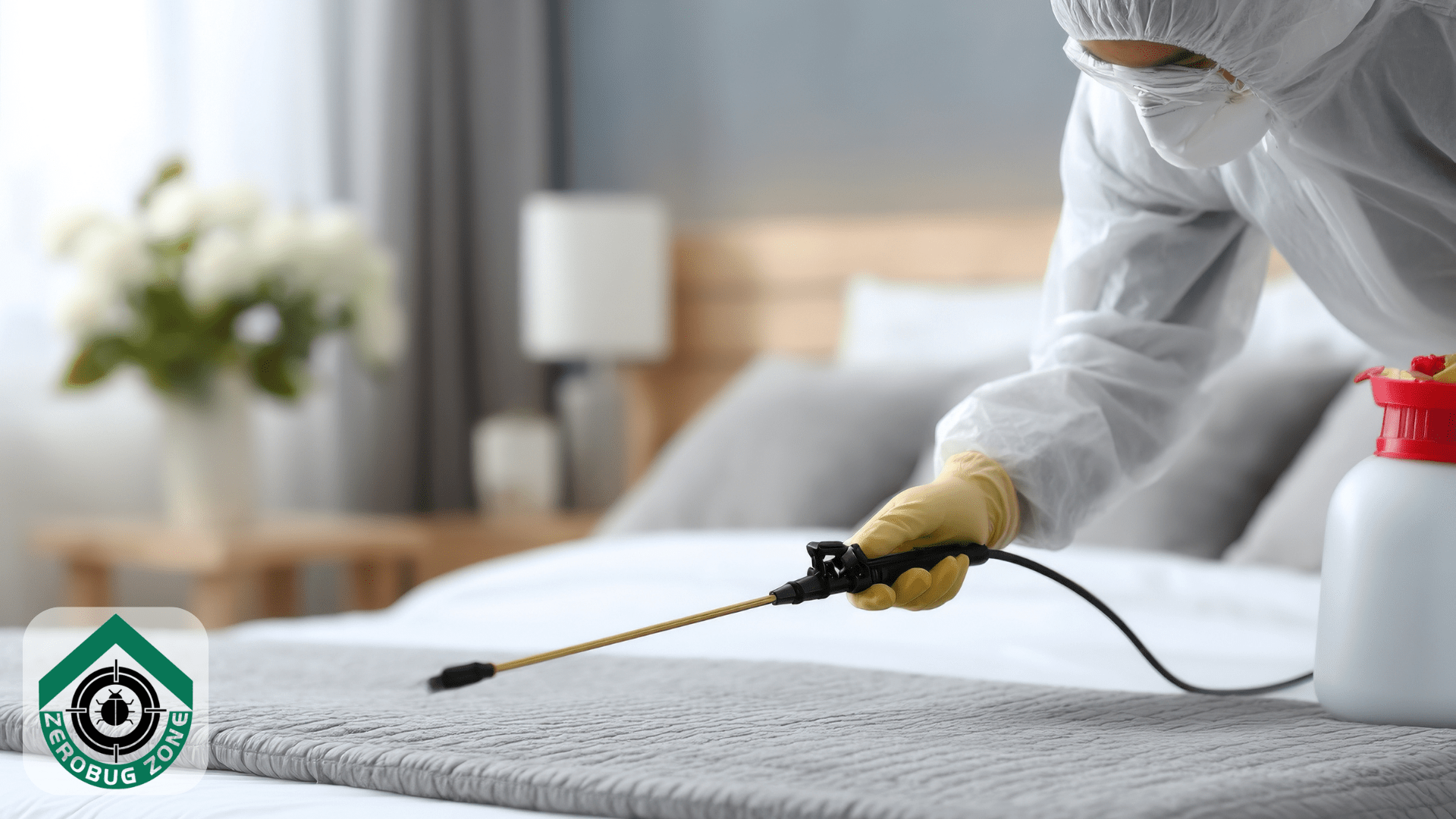
Residents often try store-bought sprays when they see cockroaches. Unfortunately, these sprays rarely solve the issue and often drive pests deeper into walls, causing them to spread into neighbouring units.
DIY treatments typically:
- kill only visible cockroaches
- scatter the colony into new areas
- fail to target nests
- create resistance to over-the-counter chemicals
- contaminate surfaces unnecessarily
- disrupt professional treatment patterns
Cockroaches hide in places residents cannot access: deep inside walls, electrical boxes, under flooring, behind cabinets, inside elevator shafts, and even inside appliance motors. Professional pest extermination services—especially ones experienced with urban condos—use specialized gels, growth regulators, and low-toxicity formulas that target cockroaches at every life stage while remaining safe for residents and pets.
Why Condo Boards Often Struggle to Control Cockroach Infestations
Even well-managed buildings can fall behind on pest control. Condo boards have to coordinate multiple stakeholders:
- property management
- residents
- landlords
- maintenance technicians
- contracted pest control companies
When communication breaks down, infestations spread. Delays between treatments allow cockroaches to repopulate quickly. Missed appointments from tenants can disrupt the entire building’s treatment plan. And because infestations require simultaneous treatment of multiple units, incomplete participation can render a whole program ineffective.
Successful condo cockroach control requires:
- strict scheduling
- consistent follow-ups
- proper access to all affected units
- experience with multi-unit pest behaviour
This is why residents often prefer working with specialized companies like ZeroBugZone that have experience handling large complexes in Toronto, Brampton, Scarborough, and Mississauga.
Why Cockroaches Spread Faster Than Bed Bugs in Condos
Although many people worry more about bed bugs, cockroaches actually spread faster in high-rises. Bed bugs rely on human movement—travel, furniture transfers, clothing. Cockroaches rely on infrastructure, which is always present and always connected. This makes them a constant risk in condos year-round.
For comparison:
Bed bugs spread through:
- furniture
- luggage
- clothing
- guests
- travel patterns
This is why searches like how to get rid of bed bugs in Toronto or safe ways to get rid of bed bugs in Midtown Toronto peak during travel seasons.
Cockroaches, however, spread through:
- walls
- pipes
- ductwork
- garbage chutes
- shared spaces
They do not need humans to travel between units. The building itself becomes the transportation system.

Why Professional Building-Wide Strategies Are the Only Real Solution
To eliminate cockroaches from multi-unit buildings, pest control must be systematic, strategic, and comprehensive. Professional exterminators approach condos differently from houses. They analyze structural layouts, elevation levels, heat sources, humidity pockets, and routes of migration. Treatments typically include:
- identifying the core infestation (the “source unit”)
- treating surrounding units on multiple floors
- applying insect growth regulators
- using targeted gel baits in concealed areas
- sealing cracks and entry points
- inspecting mechanical rooms
- monitoring compactor rooms, loading docks, and utility closets
This kind of multi-stage approach is the only reliable way to eliminate cockroaches permanently.
Don’t Let Cockroaches Take Over Your Condo — Get Professional Help Today
Cockroaches are not a sign of personal failure. They are a sign of structural vulnerability—especially in Toronto’s densely packed condo market. But the good news is: you don’t have to live with them.
ZeroBugZone provides specialized cockroach control for condos and apartments, using safe, strategic, building-wide programs designed for urban living. Whether you live in downtown Toronto, Mississauga, Brampton, Scarborough, or Midtown Toronto, our experts are ready to help.
Call or Text ZeroBugZone: +1 437-870-0091
Visit: www.zerobugzone.ca
ZeroBugZone — Toronto’s trusted solution for cockroach-free condo living.


