


Why Indoor Air Quality Drops During Pest Infestations

A Health-Focused Homeowner Guide by ZeroBugZone – Toronto & GTA
Indoor air quality is one of the most overlooked elements of a healthy home. Most people think of dust, mold, or ventilation problems when they imagine poor air quality—but few realize how dramatically pests can pollute the air inside a property. Whether the issue involves rodents, cockroaches, silverfish, cluster flies, or bed bugs, a pest infestation directly affects what you breathe every day. For homeowners across Toronto, Scarborough, Mississauga, Brampton, and Midtown Toronto, understanding this connection is essential, especially as pest pressure increases due to urban density and climate changes.
Pests don't just hide in your walls or crawl across your floors. They shed proteins, release fecal particles, leave chemical markers, introduce bacteria, and contaminate the air with microscopic debris that circulates through your HVAC systems. In fact, indoor spaces infested with pests often show measurable drops in air quality, even when the visible infestation appears minor. This is why pest management is now considered not just a property maintenance issue, but a health priority—a major point often emphasized in research focused on pest control and health in Canada.
When people report unexplained allergies, breathing discomfort, recurring asthma symptoms, or a persistent musty odour at home, the root cause is often pest activity. Unfortunately, these symptoms build slowly, which makes infestations difficult to detect until they become severe. For this reason, many Canadian homeowners searching for “the best pest control service for homes in Toronto” or “safe ways to get rid of bed bugs in Toronto” are also struggling with air quality problems they may not yet recognize.
The relationship between pests and indoor air quality is stronger than most people think, and understanding it can prevent significant long-term health risks. To better grasp how pest contamination develops—and how you can protect your home—let’s break down how each stage of an infestation affects your air.

How Air Quality Begins to Decline
Poor indoor air quality doesn’t happen suddenly. It starts with subtle changes inside the home. Pests tend to target warm, undisturbed spaces such as wall voids, attic insulation, HVAC chambers, behind appliances, and basement corners. As these pests settle in, they begin reproducing, feeding, and shedding materials that gradually disperse into the air.
Rodents produce microscopic urine particles, dander, and harmful airborne bacteria. Cockroaches shed body proteins that become airborne allergens, often triggering asthma symptoms. Bed bugs, although not known for airborne allergens, still contribute to air contamination through shed skins, carcasses, and microbial particles spread through fabric and HVAC systems. Even moisture-loving insects like silverfish can contribute to humidity imbalances that worsen mold growth—a critical air quality hazard in Canadian homes.
For property owners looking for “affordable pest extermination for homes in Brampton or Mississauga,” this stage is when problems are easiest to address. The air is beginning to change, but the infestation is still manageable. However, once pests begin establishing nesting zones and expanding into multiple areas of a home or business, the air contamination becomes more severe.
Allergens, Droppings, and Airborne Proteins
Most pests create allergens. These allergens do not remain on the floor or in one part of the home—they break down into fine particles that mix into the air supply. Cockroach allergens are especially potent and are now recognized as one of the leading causes of asthma flare-ups in dense urban regions like Toronto. Their droppings, saliva, and shed skins easily fragment into airborne dust and circulate through your vents, settling on pillows, carpets, and clothing.
Rodent droppings are another major concern. While they appear as solid pieces, they dry quickly and become dusty. Once disturbed—even slightly—they release bacteria and protein particles that move with natural airflow. In Canadian winters, when windows remain closed and furnaces operate continuously, these contaminants spread even faster.
For homeowners searching “how to get rid of bed bugs in Scarborough, Mississauga, Brampton, Toronto, or Midtown Toronto,” it’s important to remember that persistent air dustiness, unexplained odours, and increased respiratory irritation are often the earliest clues that pests are present—sometimes long before signs of bites or droppings appear.
These allergens are especially harmful to children, seniors, pregnant individuals, and anyone with asthma. According to pest control and health Canada guidelines, continuous exposure to airborne pest contaminants can contribute to chronic respiratory stress, eye irritation, throat discomfort, migraines, and sleep disruption.
Pest Odours and Chemical Signatures
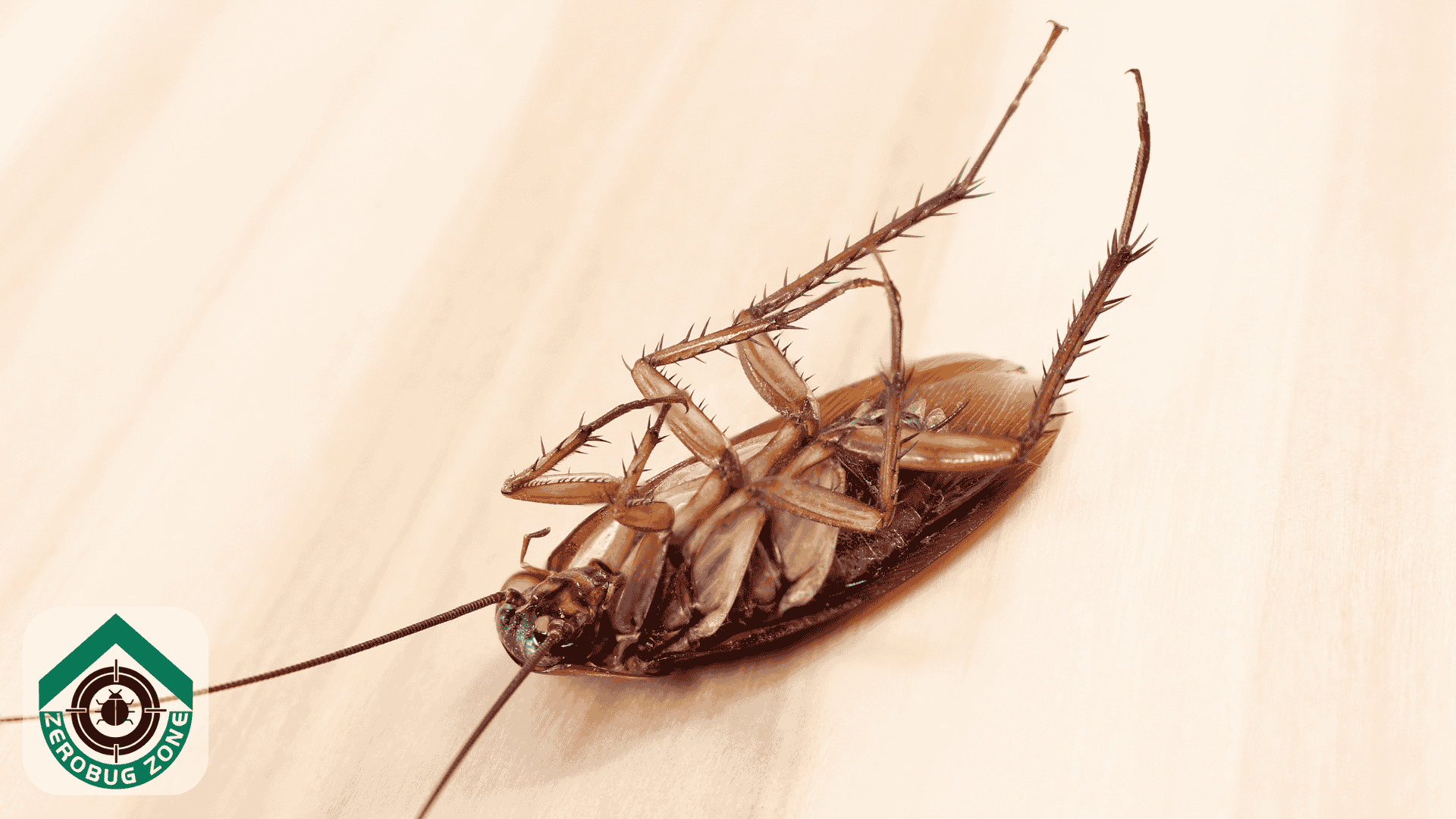
Every pest species emits a distinct odour. Mice and rats produce sharp, musky ammonia-like smells, while cockroaches produce a musty, oily scent that becomes stronger as their populations grow. Bed bugs create a sweet, stale odour, especially in larger infestations, while silverfish produce faint dusty scents resulting from feeding on paper and fabric fibres.
These odours aren’t just unpleasant—they indicate chemical compounds released into your air. Rodents use urine markers to communicate, track pathways, and signal nesting areas. These chemicals linger in the air and on surfaces long after cleaning.
Cockroaches release aggregation pheromones, which attract more cockroaches to the same hiding place. Over time, these chemicals seep into porous materials such as drywall, furniture, and carpeting. Once airborne, these compounds compromise indoor air freshness, and even professional cleaning cannot fully restore air quality until the infestation itself is eliminated at the source.
These lingering odours are one major reason people seek “the best pest control service for homes in Toronto” or “how to prevent pests in your business” especially in commercial settings. Offices, retail stores, and restaurants depend heavily on clean air for customer comfort and compliance with Canadian health standards. Pests undermine all of that within weeks.
The HVAC Problem: How Infestations Spread Through Airflow
The biggest danger of pest-related air contamination is how quickly it spreads through HVAC systems. If pests nest or travel inside ventilation lines, wall cavities, or insulation, every run of your air system pushes contaminated particles into your living spaces.
Rodents frequently build nests in furnace rooms, under hot water tanks, or near ventilation ducts—warm, undisturbed areas. As they move, they leave droppings along pathways that eventually begin breaking down into dust. Cockroaches, which thrive on warmth and humidity, often hide behind the furnace, inside bathroom vents, or around laundry rooms—perfect launching points for airborne spread.
Bed bugs primarily travel by hitchhiking on soft materials, but in multi-unit buildings or commercial offices, they can also move through ductwork or shared wall spaces, leaving behind microscopic debris.
This is why commercial building owners searching for “commercial pest control for offices in Canada” rely on structured inspection programs. Even a small amount of pest debris inside an air system can degrade indoor air quality for an entire staff.
If your HVAC system has been running for months during an active infestation, your air quality worsens significantly—even if you can’t see any pests. Indoor air tests in Toronto frequently show elevated allergen counts in properties with hidden infestations, especially older homes with original ductwork.
Moisture, Mold, and Pest Activity
Moisture problems are often linked to pest infestations. Rodents and insects both seek out damp spaces, which increases the risk of mold growth—another major contributor to poor indoor air quality. Silverfish, cluster flies, ants, cockroaches, and even bed bugs tend to gravitate toward moist rooms like basements, laundry areas, and bathrooms. Their presence accelerates humidity imbalances, especially when droppings, discarded skins, and organic debris accumulate in dark spaces.
The combination of moisture and pest debris creates the perfect environment for mold spores to thrive. These spores become airborne easily and further degrade air purity. Homeowners who report musty smells, worsening allergies, and difficulty sleeping often discover that pests and humidity problems were developing together for months.
This is also one reason many Toronto residents search for “affordable pest extermination for homes in Brampton” or nearby cities—moisture-loving pests are common in older GTA homes with poor insulation or incomplete basement sealing.
Health Impacts of Pest-Related Air Contamination
Poor indoor air quality affects the body gradually. Many people mistake early symptoms for seasonal allergies or mild colds. Over time, the continuous exposure to pest allergens, airborne contaminants, and microbial debris can cause noticeable health issues.
Common symptoms include persistent coughing, sore throat, watery eyes, skin irritation, sinus headaches, and sleep disturbance. In homes with rodent or cockroach infestations, asthma attacks often increase dramatically. Children are especially vulnerable to these pollutants because their lungs are still developing.
Bed bug infestations also reduce air quality indirectly through stress, insomnia, and anxiety. Poor sleep weakens the immune system, making the body more reactive to allergens. In a city like Toronto—dense, diverse, and exposed to frequent seasonal pest activity—early detection is essential.
For business owners, the problem is even more serious. Poor indoor air quality due to pests affects employee comfort, productivity, and overall workplace hygiene. This is why companies looking up “how to prevent pests in your business” are often addressing both contamination and air quality concerns simultaneously.
Even after pests are removed, indoor air quality does not return to normal immediately. Professional cleanup, filtration, and sometimes duct sanitation are required to restore healthy breathing conditions.
Why DIY Efforts Fail to Improve Air Quality
Many people try at-home pest treatments with store-bought sprays or traps. Although these methods may reduce visible pests, they do nothing to address airborne contamination. Killing a few pests solves only a fraction of the problem because the allergenic proteins, droppings, shed skins, and microbial particles remain behind.
These microscopic contaminants are too small to vacuum effectively. They embed into fabrics, carpets, and air ducts. In fact, DIY sprays sometimes worsen indoor air quality because they introduce chemicals into enclosed spaces without eliminating the root cause.
This is why people often search for professional support after multiple failed attempts—whether it’s “safe ways to get rid of bed bugs in Toronto” or “how to get rid of bed bugs in Midtown Toronto,” Brampton, or Scarborough. A professional plan doesn’t just eliminate pests; it restores your indoor environment.
How Professional Treatment Restores Healthy Air
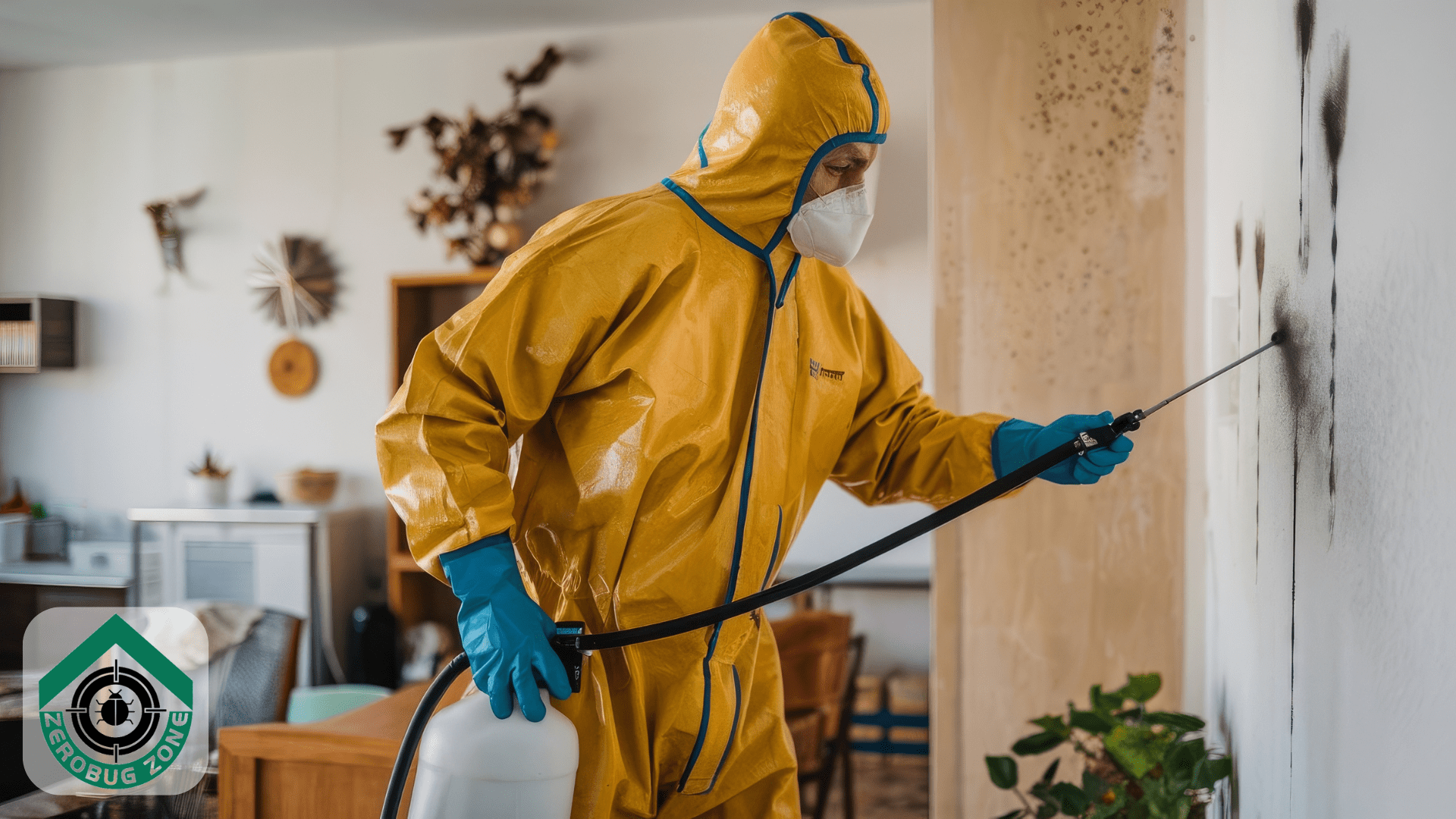
Certified pest control services approach indoor air quality differently. They inspect the structural factors that allow pests to thrive, locate hidden nests, and use targeted treatments that remove pests at the source. Once the infestation is controlled, technicians sanitize affected zones, treat contaminated surfaces, and identify areas where droppings, urine, and airborne debris are likely to accumulate.
Many homeowners across Toronto and the GTA hire professionals because they need more than pest removal—they need reliable contamination prevention. This is where local expertise matters. Companies specializing in residential properties in Toronto understand common building structures, climate patterns, and seasonal pest behaviors unique to Canadian homes.
For commercial clients, professional intervention is even more important. Offices, warehouses, and retail environments must maintain consistent air quality to meet Canadian workplace standards. This is why “commercial pest control for offices in Canada” is a growing demand among business owners who prioritize employee safety.
After pest removal, professionals may recommend HEPA filtration upgrades, duct cleaning, improved ventilation, or moisture control measures. These steps not only repair air quality but also prevent future infestations.
Breathe Cleaner Air. Live Healthier. Act Before the Infestation Grows.
Pests don’t just invade your walls—they invade your air. If you’ve noticed odours, allergies, breathing discomfort, unusual dust, or unexplained symptoms, your indoor air quality may already be compromised.
Protect your home. Protect your health. Protect your peace of mind.
ZeroBugZone delivers certified, science-based pest solutions for Toronto, Brampton, Mississauga, Scarborough, and Midtown Toronto.
We eliminate the infestation, restore your air, and safeguard your space from future threats.
Call or Text: +1 437-870-0091
Book Online: www.zerobugzone.ca
ZeroBugZone — Because the air you breathe should be as clean as the home you love..


